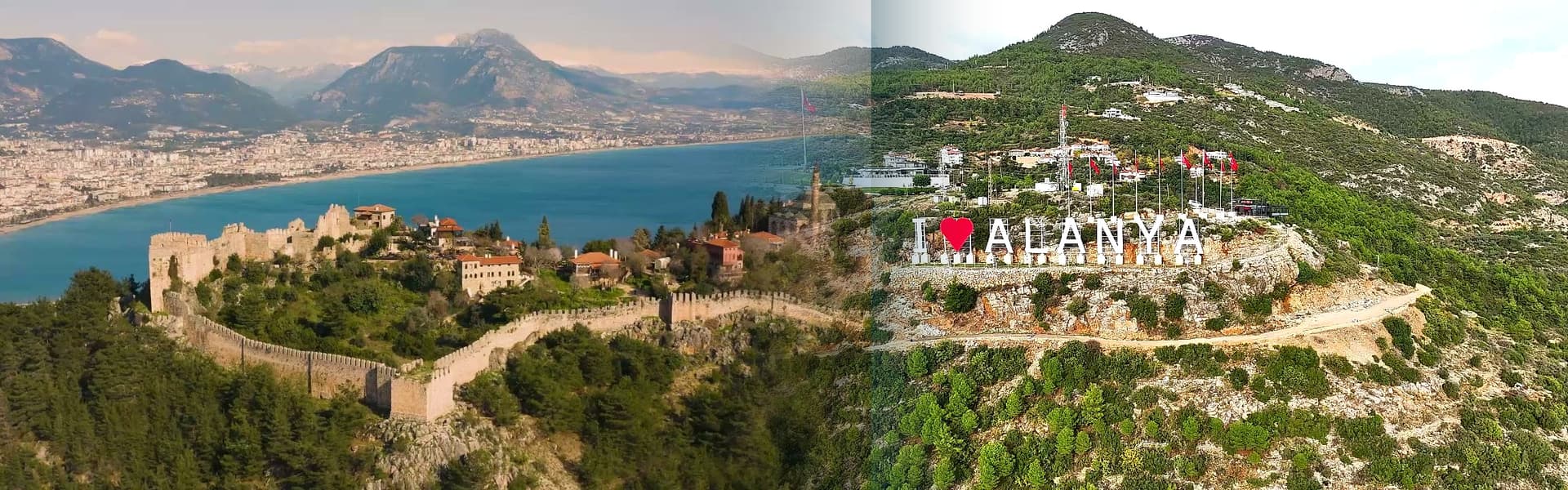
Alanya historical ruins, Seljuk fortifications, and archaeological heritage sites.
Harmonized locations, GPS coordinates, historical periods, and visitor guidance.
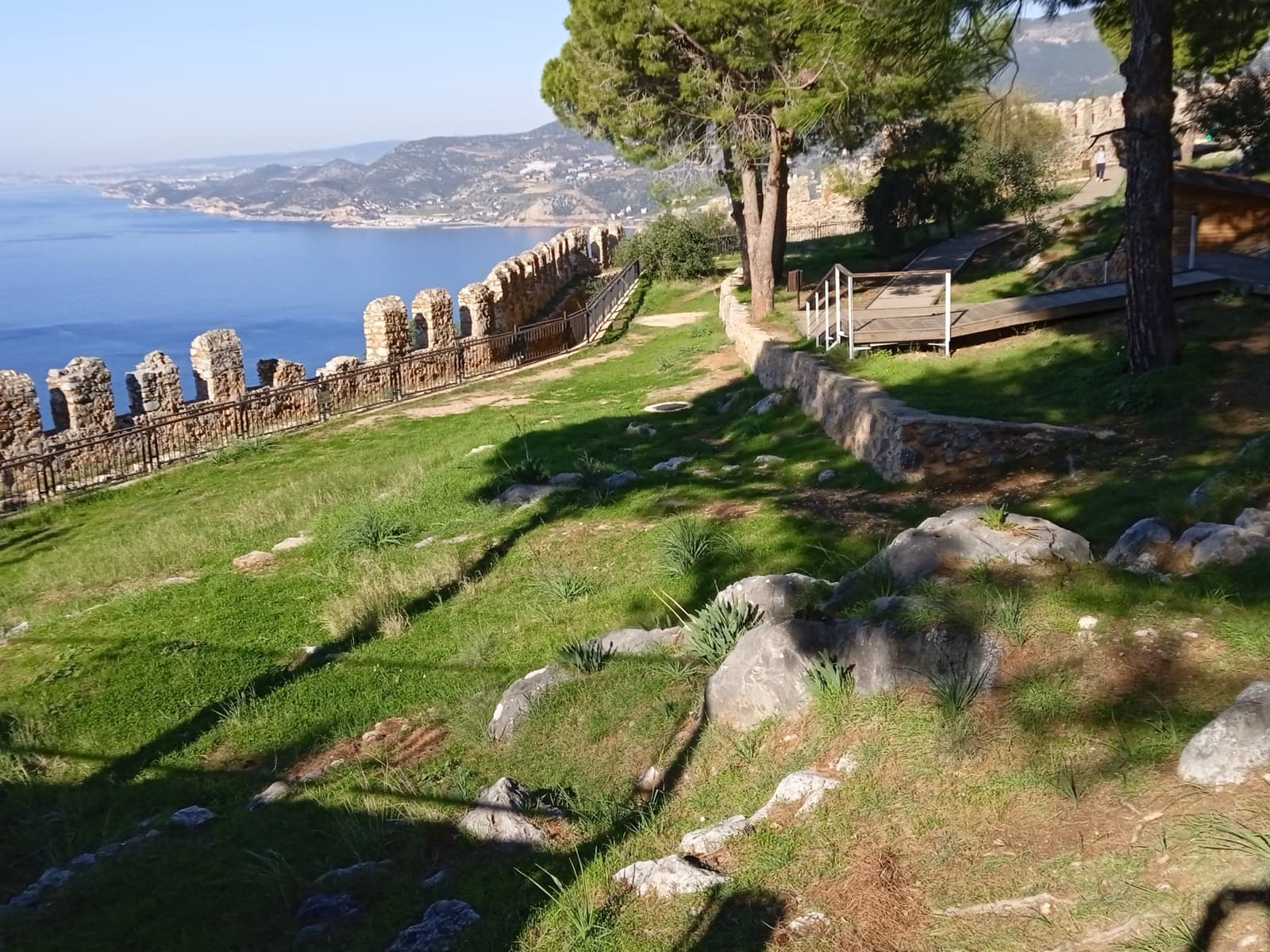
(Peninsula Summit – 13th Century Seljuk Fortification)
Perched 250 meters above sea level on a rocky peninsula, Alanya Castle features 6.5 kilometers of defensive walls, 140 towers, and centuries-old cisterns. Rebuilt in the 13th century by Seljuk Sultan Alaeddin Keykubad, it remains one of the finest preserved medieval fortresses in the Mediterranean basin.
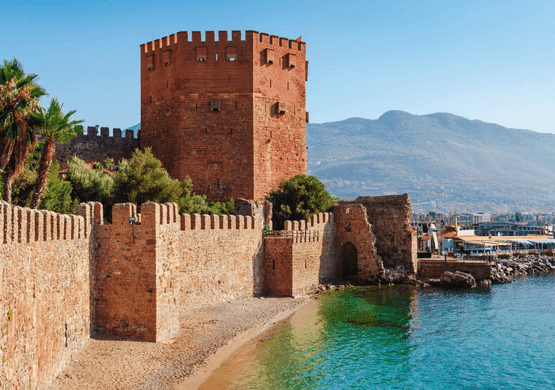
(Alanya Harbor – 1226 Seljuk Fortification)
Constructed in 1226, the monumental octagonal Red Tower stands as the iconic guardian and symbol of Alanya harbor. Built under Seljuk Sultan Alaeddin Keykubad to shield the historic shipyard and port, it now operates as an ethnographic museum with sweeping coastal views.
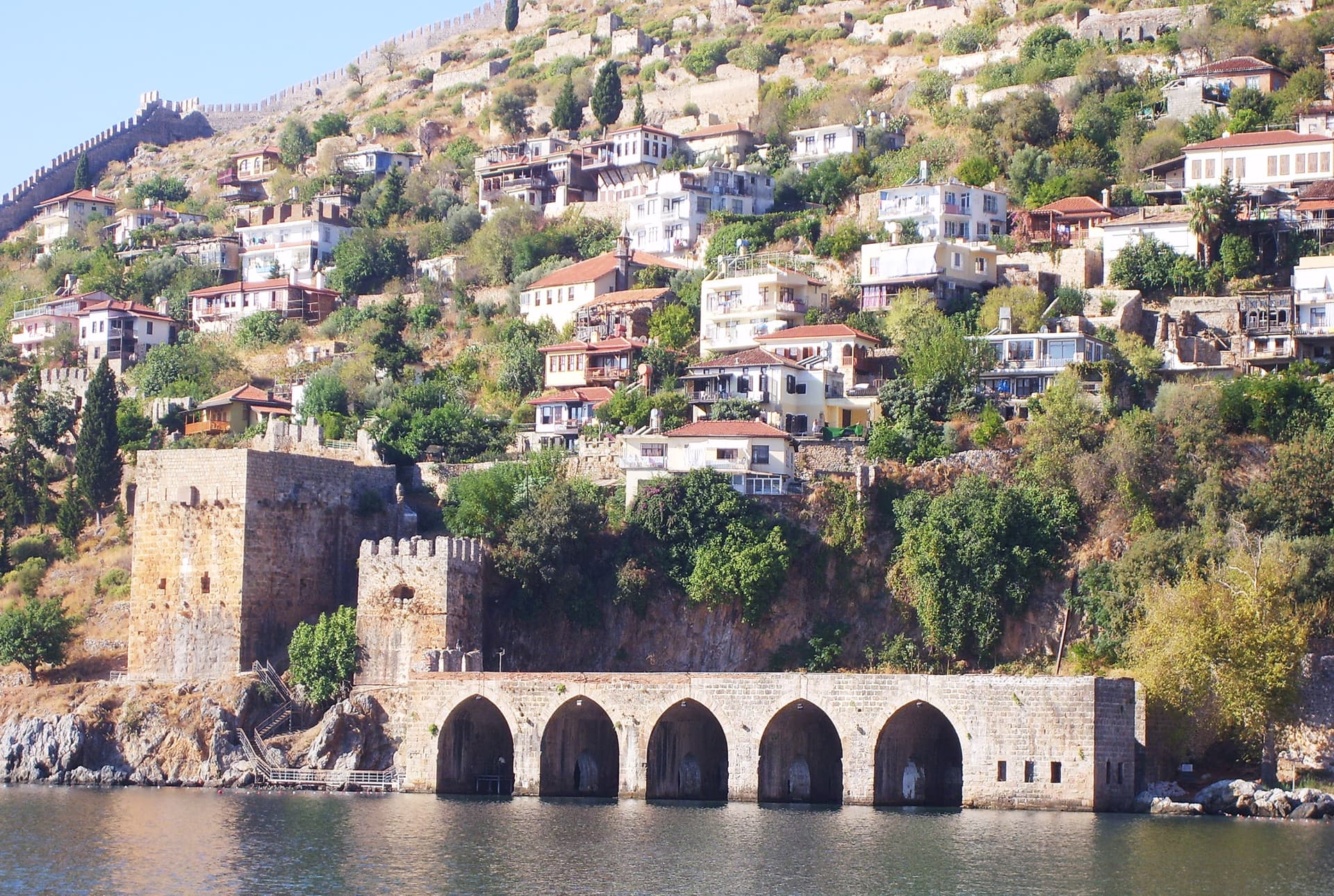
(Beside Red Tower – 1228 Seljuk Era)
Reached via the coastal pathway from the Red Tower, the Historical Shipyard was built in 1228 as the Seljuks' first Mediterranean naval base. Featuring five vaulted bays, it is Anatolia's only surviving medieval dockyard and maritime museum.
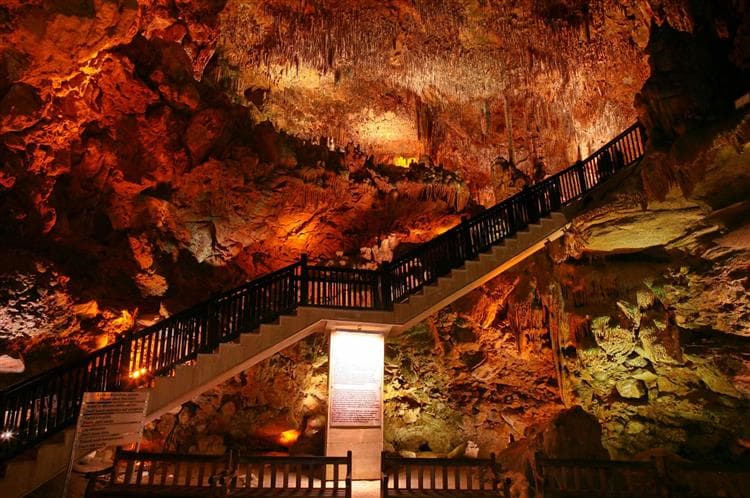
(Cleopatra Beach – Discovered in 1948)
Discovered accidentally during harbor quarrying in 1948, Damlatas Cave is famous for 15,000-year-old stalactites and a unique therapeutic microclimate with constant 22°C temperature and 95% humidity, renowned for relieving respiratory conditions.
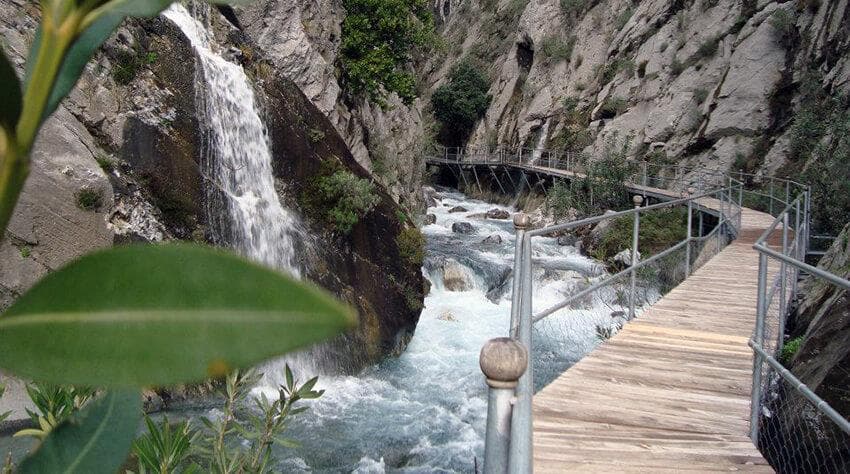
(Sapadere Village – Natural Boardwalk Trail)
Located approximately 40 km from central Alanya, Sapadere Canyon mesmerizes visitors with its 750-meter suspended wooden boardwalk winding through limestone cliffs, cascading waterfalls, and crystal-clear mountain pools.
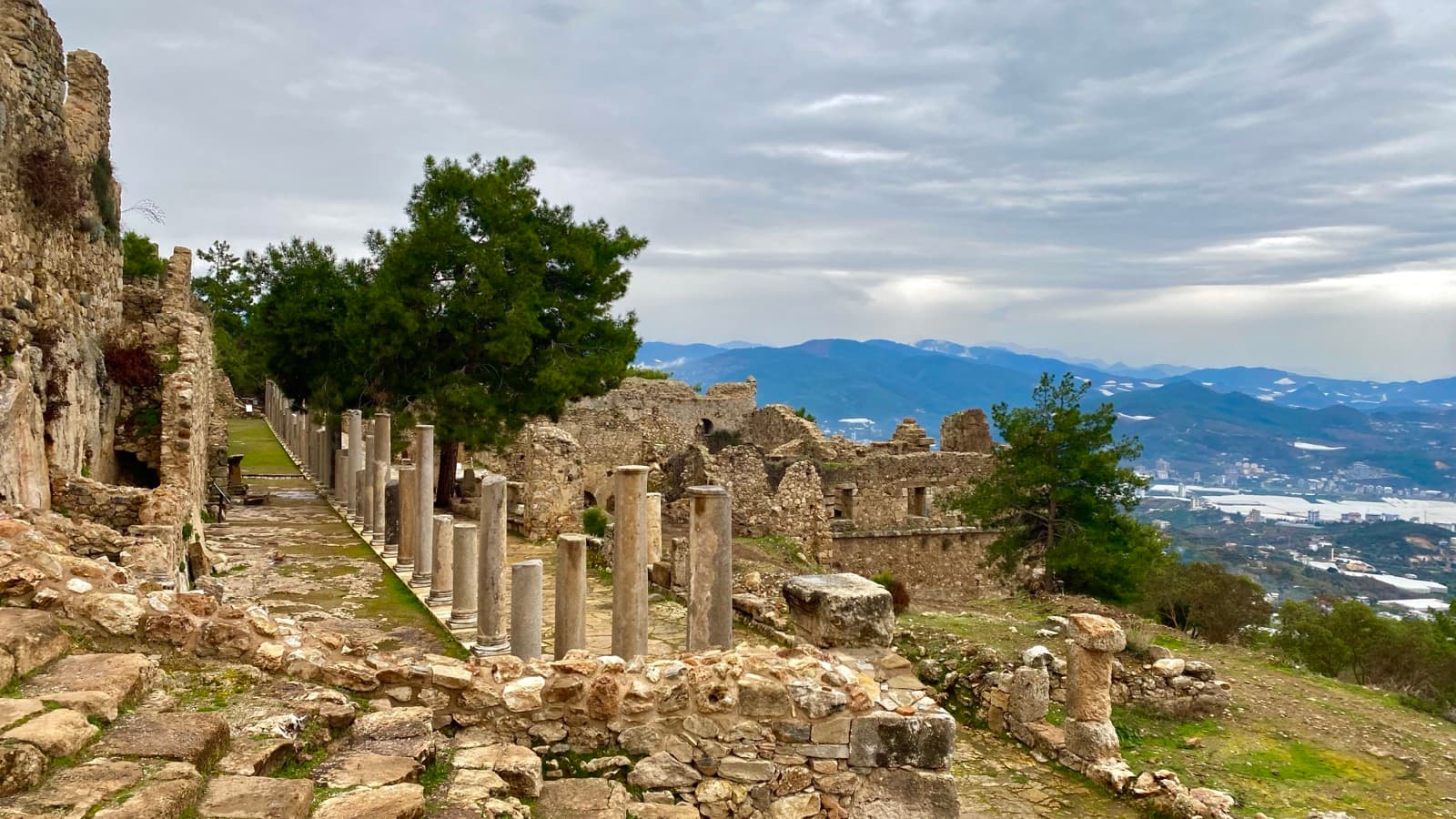
(Seki Village – 3rd Century BC Roman & Byzantine)
Situated on scenic ridges east of Alanya, the ancient city of Syedra showcases a grand colonnaded street, monumental gateway, complex cisterns, and a baptismal cave, carrying the grandeur of Roman and Byzantine eras with sweeping Mediterranean vistas.